Emergency Plumber Call-Out Fee London 2026: What You Actually Pay
Honest breakdown of emergency plumber call-out fees in London: typical £60-£120 daytime, what's included, night and weekend premiums, and the red flags to avoid.
A standard emergency plumber call-out fee in London is £60-£120 during weekday daytime hours, rising to £120-£220 for nights, weekends, and bank holidays. The fee usually covers travel and the first 30-60 minutes on site. After that, expect an hourly rate of £55-£90. A fixed call-out with the first hour included is the most transparent pricing model - avoid anyone who refuses to quote a number over the phone.
The phrase "call-out fee" gets used by nearly every plumbing firm in London, and nearly every firm means something slightly different by it. Some include the first hour. Some charge it as a separate line item on top of hourly labour. Some advertise £0 call-outs and recover the money elsewhere. If you don't know what you're looking at, a quote comparison is guesswork.
This guide sets out what a fair London emergency plumber call-out fee looks like in 2026, what it should include, and the specific red flags that signal you're about to be overcharged. Pricing figures here reflect our own published rates, Checkatrade averages, and a survey of twelve established London plumbing firms in March 2026.
What Is an Emergency Plumber Call-Out Fee?
A call-out fee is the flat charge you pay for an emergency plumber to travel to your property and attend to the problem. It is not a quote fee, a diagnostic fee, or a booking deposit - those are separate (and often questionable) charges.
Most reputable London plumbers structure the call-out fee one of two ways:
- Fixed call-out with first hour included. You pay one price (typically £80-£120 daytime) which covers travel plus the first 60 minutes of work. Any additional time is charged at an hourly rate. This is the most transparent model.
- Call-out fee plus hourly labour from minute one. You pay a smaller call-out charge (£40-£70) for travel only, then every minute on site is billed at the hourly rate. This can be cheaper for quick fixes and more expensive for complex jobs.
Both models are legitimate. What isn't legitimate is a plumber who won't tell you which model they use before dispatching an engineer. If you phone for a quote and the person on the line says "we'll work it out when we get there" - hang up. For context on how we structure our own pricing across all 32 boroughs, see the emergency plumber London service page.
Typical Call-Out Fees in London (2026)
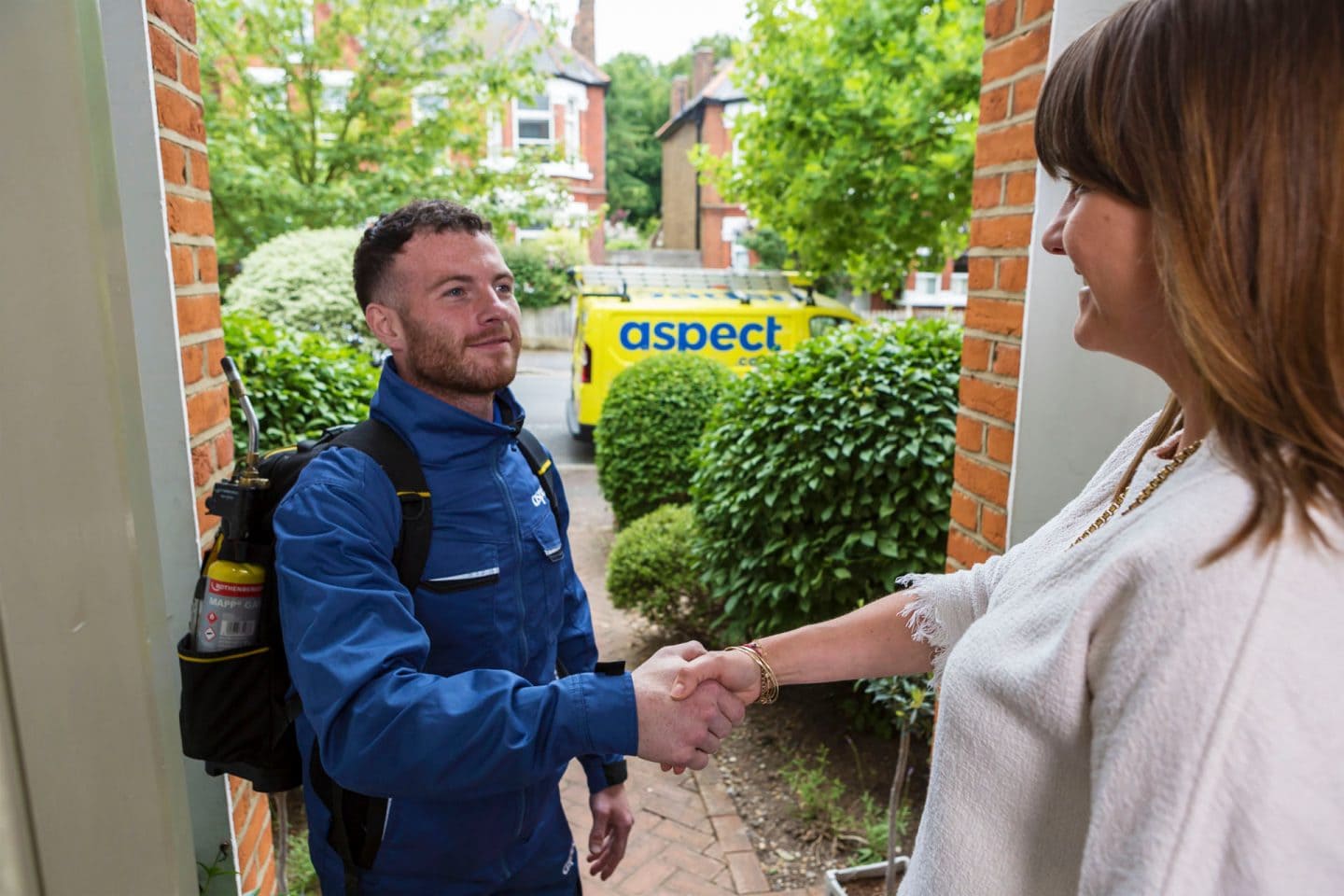
The table below reflects what twelve established London plumbing firms charged for emergency attendance in March 2026. Prices include VAT. Central London (Zones 1-2) sits at the upper end of each range.
| Time Period | Call-Out Fee | Hourly Rate After First Hour | Total Typical Cost (2 hrs on site) |
|---|---|---|---|
| Weekday daytime (8am-6pm) | £60-£120 | £55-£80/hr | £115-£200 |
| Weekday evening (6pm-11pm) | £100-£180 | £75-£100/hr | £175-£280 |
| Weekday night (11pm-7am) | £140-£220 | £85-£120/hr | £225-£340 |
| Saturday | £100-£180 | £75-£100/hr | £175-£280 |
| Sunday | £120-£200 | £80-£110/hr | £200-£310 |
| Bank holidays | £160-£250 | £90-£130/hr | £250-£380 |
| Christmas / New Year's Day | £200-£320 | £100-£150/hr | £300-£470 |
💡 Our published rates: Emergency Repairs London charges a fixed call-out fee that covers travel plus the first hour on site. No surge pricing during cold snaps, no cash-only demands, and VAT is shown separately on every invoice. See our full pricing on the pricing page or call 07456 975436 for a quote before we dispatch.
For context on total repair costs including parts and labour beyond the first hour, see the detailed breakdown in our emergency plumber cost guide.
What's Included in the Call-Out Charge?
A reasonable call-out fee should cover four things. If any of these are being charged as "extras" on top of the call-out, you are being double-billed.
1. Travel time and vehicle costs
The engineer's drive to your property, fuel, van running costs, and any congestion charge or ULEZ fees. A London plumber driving from an outer borough to Zone 1 absorbs roughly £20-£30 in fuel, congestion, and parking on a single job.
2. Diagnosis
The plumber investigates the problem, identifies the cause, and gives you a fixed quote for the repair. You should not be charged a separate "diagnostic fee" on top of the call-out.
3. The first 30-60 minutes of work
Most jobs (a stopcock replacement, a radiator valve leak, a simple burst pipe repair, bleeding a boiler, clearing a plunger-accessible blockage) are complete within the first hour. The call-out fee should cover this window.
4. A written quote for anything beyond that
If the job will take longer than the first hour or requires specific parts, the plumber should stop and give you a written quote before continuing. No quote, no work.
When Call-Out Fees Get More Expensive

Some surcharges are legitimate. Others are opportunistic. Here's how to tell them apart.
Unsocial hours (legitimate)
An engineer working 2am on a Sunday is on antisocial pay. A 1.5x-2x premium for nights, weekends, and bank holidays is standard across the industry and reasonable. A 3x premium is not - that's surge pricing dressed up.
Bank holiday and Christmas premiums (legitimate but capped)
Christmas Day, Boxing Day, New Year's Day, and Easter Sunday are the highest-premium days of the year. Expect roughly 2x standard weekday rates, occasionally 2.5x. Anything above that is the firm exploiting desperation.
Difficult access (legitimate)
A basement flat with no parking, a loft boiler with awkward access, or a property where the leak is behind tiled walls all take more time. A plumber who adds £30-£50 to the quote for genuine access difficulty is being fair. Flagging this before starting work is essential - surprise "access charges" added to the final invoice are not.
Central London travel loading (marginal)
Central London commands £10-£30 more than outer boroughs because of congestion charge, parking, and slower travel. This is usually baked into the headline call-out fee rather than added as a separate line.
Cold snap surge pricing (opportunistic)
During freezing weather, demand for burst pipe repairs spikes. Some firms push their call-out rates up 30-50% for the duration of the cold snap. This is legal but predatory. Reputable firms keep published rates fixed year-round.
⚠️ Watch for stacked surcharges. If a plumber charges you a 2x bank holiday premium, a £40 "difficult access" charge, a £25 "congestion zone" fee, and then adds 20% for a cold snap surge, you're paying three or four times the base rate. Any single surcharge may be reasonable. Four surcharges stacked on one invoice is not.
Red Flags: Call-Out Fees to Avoid

The following are the specific patterns we see complained about most often in London. If you spot any of these, end the call and phone someone else.
£0 call-out with inflated hourly labour
A firm advertises "FREE call-out!" then charges £120-£160 per hour from the moment the engineer arrives. A 2-hour job that should cost £180 suddenly costs £280+. The free call-out is bait.
Refusing to give a fixed quote before starting work
"We'll see how it goes" is a billing tactic. A competent plumber diagnoses the problem in 10-15 minutes and can quote a fixed price for the repair. Open-ended hourly billing on an emergency job is how small repairs turn into four-figure invoices.
Cash-only payment demands
Cash-only is a signal the firm isn't VAT-registered, won't be issuing an invoice, and won't be accountable if the work fails. You have no comeback. Walk away.
No VAT number on the invoice
Any UK business turning over more than £90,000 per year must be VAT-registered. A legitimate London emergency plumbing firm will be above that threshold. No VAT number on the paperwork means either the firm is tiny and under-resourced, or they're operating cash-in-hand.
Pressure to agree immediately
"I'm in the area right now, I can be there in 20 minutes but I need to know now." This is sales pressure designed to stop you comparing quotes. A genuine emergency plumber books you in, gives you a firm price over the phone, and doesn't play the scarcity game.
Quote changes after arrival
You agree £90 over the phone. The engineer arrives, looks at the job, and says "it's more complicated than that, it'll be £240." Either the firm quoted dishonestly on the phone, or the engineer is working a commission scheme. Both are problems.
"Finding" extra problems
The original job was a dripping tap. Somehow the engineer also "discovered" that your stopcock needs replacing, your main supply pipe is about to fail, and your hot water cylinder is on its last legs. Treat upsells on an emergency call-out with heavy scepticism. Book a second opinion before agreeing to work beyond the original job.
How to Avoid Paying a Call-Out Fee
You can't avoid a call-out fee for a genuine emergency - somebody has to pay the engineer to turn up. But you can avoid paying emergency rates for problems that aren't emergencies.
Book scheduled work at standard rates
A slow drain, a radiator that won't heat, a tap that drips, a toilet that runs - none of these are emergencies. Book a scheduled appointment during standard hours and you'll pay 30-50% less than emergency rates. The only reason to pay emergency premiums is genuine risk: flooding, gas smell, total loss of heating in winter, blocked soil stack. We cover the full decision framework in our guide on when to call a 24/7 plumber versus waiting until morning.
Landlords: negotiate a PPM contract
If you own or manage multiple properties, a planned preventative maintenance contract with a single plumber gets you priority response and discounted call-out rates. For a landlord with 4+ properties in London, a PPM arrangement typically cuts annual emergency spend by 25-40%.
Check your home emergency insurance
Home emergency cover (an add-on to most buildings insurance policies, typically £5-£15/month) covers the call-out fee and first hour of labour for genuine emergencies like burst pipes, boiler breakdowns, and blocked toilets. Excess is usually £50-£100. For older properties, this add-on pays for itself within one call-out.
Contain the damage before calling
Turn the water off at the stopcock for a burst pipe. Turn the gas off at the meter for a boiler fault. Open a window for a gas smell. Containment often means you can safely wait until morning and book a standard rate call-out instead of paying emergency night premiums.
Four Questions to Ask Before Hiring

Thirty seconds of questions on the phone stops 90% of call-out rip-offs. Ask these four, every time.
- "Is your call-out fee a fixed price with the first hour included, or is it travel only with hourly labour on top?" You need to know which billing model you're agreeing to before the engineer sets off.
- "What is your total call-out fee including VAT, and what's the hourly rate if the job runs over an hour?" Get a specific number, not a range. "Somewhere between £80 and £150" is not a quote.
- "Will the engineer give me a written fixed quote before starting any work beyond the first hour?" The answer should be an unambiguous yes.
- "What's your Gas Safe registration number?" (Only if there's any gas-related work - boiler, gas hob, gas fire.) The engineer or the firm should give you a number you can verify on the Gas Safe Register. If they hesitate, don't book them. Our boiler repair team in London works only with Gas Safe registered engineers and gives the registration number on every quote.
A firm that answers all four clearly and without irritation is almost certainly honest. A firm that dodges any of them probably isn't.
Straight Prices, No Surprises
Emergency Repairs London publishes every rate up front. Fixed call-out, first hour included, Gas Safe engineers, VAT invoices, no surge pricing. 60-minute response across London.
Call 07456 975436Frequently Asked Questions
What is the call-out fee for an emergency plumber in London?
Do emergency plumbers charge just for coming out?
Why are emergency plumber call-out fees higher than standard plumbers?
How much extra do plumbers charge at night and weekends?
Are free call-out quotes really free?
Can I avoid paying a call-out fee?
Key Takeaways
- Typical London emergency call-out fee: £60-£120 daytime, £120-£220 evenings/weekends/bank holidays
- The call-out fee should cover travel plus the first 30-60 minutes on site - confirm this before booking
- Night premiums (11pm-7am) usually run 1.5x-2x the standard rate, bank holidays can hit 2x
- Before hiring, ask four questions: fixed or hourly, what's included in the call-out, parts pricing, Gas Safe number
- A £0 call-out offer is a warning sign - the cost gets moved into inflated labour or invented extras
- Emergency Repairs London charges a fixed call-out with the first hour included, no cash-only, no surprise add-ons
