How to Find an Underground Water Leak (UK Guide)
Confirm the loss with your meter, trace the supply pipe and narrow the search. Pinpointing a buried leak usually needs a specialist.
Check your meter with every tap off to confirm water is being lost. Closing the inside stop tap and checking again helps show whether the loss is beyond it. Then trace where the supply pipe runs and look for wet ground along that line. DIY narrows the area. A specialist using acoustic or tracer gas detection pinpoints the spot before anyone digs.
Ask AI a questionAn underground water leak is hard to deal with because there is nothing to see. The pipe is buried under the garden or the driveway, the water drains into the ground, and the first sign may be a bill, a weak shower or a lawn patch that never dries. Underground leaks often leave no visible water damage, so you have to work out where to look before you can find anything.
This guide follows the order you would work it in. Confirm that water is being lost, trace where the supply pipe runs, narrow down the search yourself, and know when to hand over to someone with equipment. It also covers who pays, because the answer changes what you do next.
⚠️ Check for buried services before digging. Gas, electric and other cables or pipes may run close to your water supply. If you are not certain what is underground, do not dig. Damaging a buried service is a far bigger problem than the leak.
Signs of an Underground Water Leak
Thames Water lists damp patches, low water pressure and, if you are on a meter, higher bills as the common signs of a leak at home. It also says the supply pipe under your garden or driveway is part of what you are responsible for, so a leak there is yours to deal with.
A noticeable drop in water pressure can point to a more serious leak, and an unexplained high bill is often the first hint. Beyond those, some people notice ground that stays wet in dry weather or a sunken patch along the likely pipe route. Treat that as a possible clue only. Many buried leaks show nothing at the surface, so a lack of wet ground does not rule one out.
None of these signs proves the leak is underground. A dripping overflow, a failed cistern valve or a leaking joint inside the house can push the bill up in the same way. That is why the next step matters before you start looking outdoors.
Confirm the Leak Is Underground
A simple stop tap and meter test is the usual way to check. First, run the overnight check in our water meter leak test guide to establish that water is being lost at all. Then repeat it with one change: close your inside stop tap before you take the second reading.
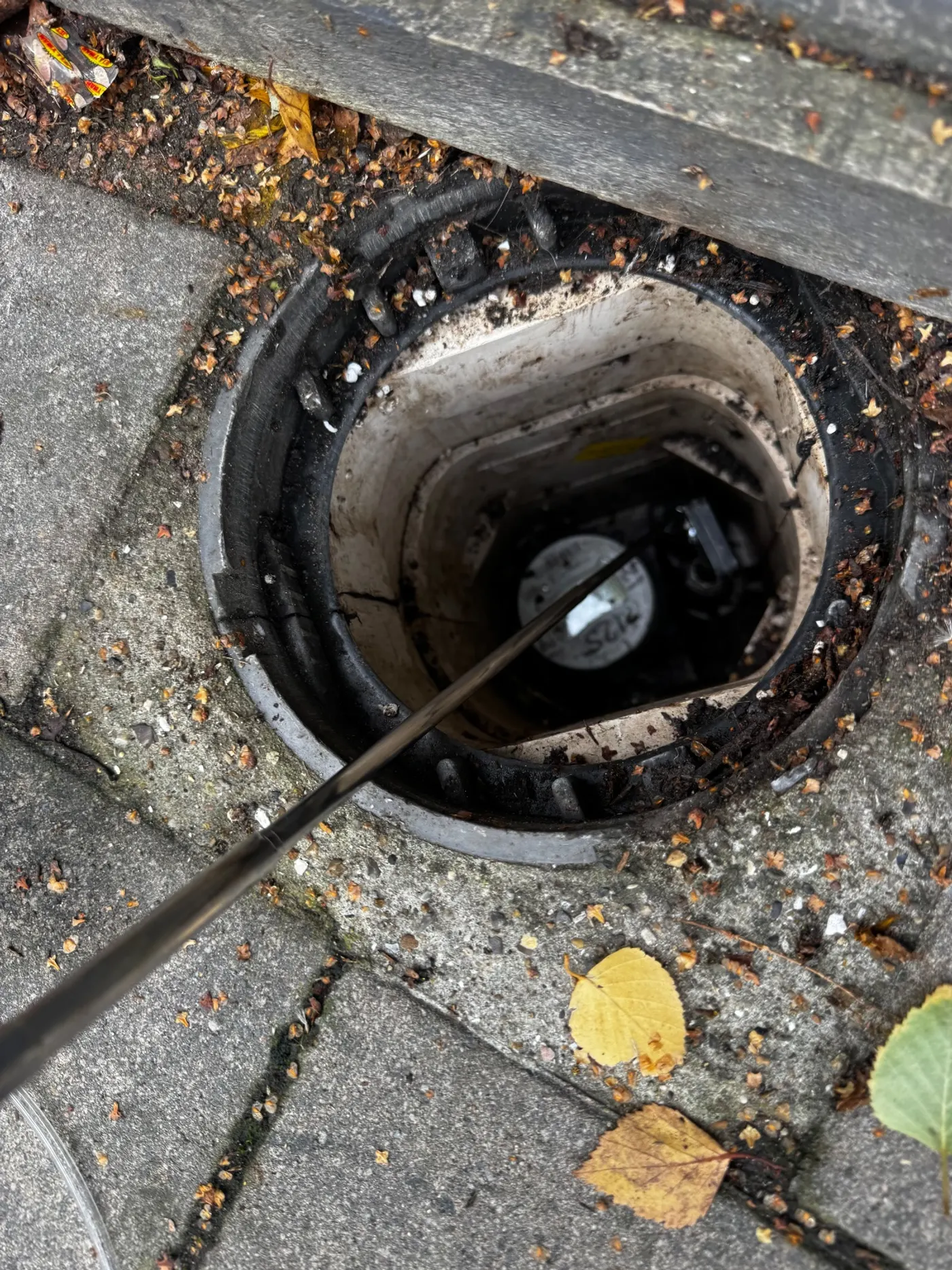
If the meter keeps moving with the stop tap shut, the water is probably being lost on the pipework beyond that tap, and the buried supply pipe is one place to look. If the meter stops once the tap is closed, the loss is more likely in the pipework or fittings inside the house, and the underground search can wait. This is a general guide rather than proof. Meter layouts vary between properties, so if the result is unclear, ask a plumber or leak detection specialist to confirm it.
If the stop tap will not close fully, or you are not sure where it is, see how to turn off the water at the mains. A tap that does not seal properly will muddy the test, so treat a result from a stiff or weeping tap with caution.
How to Trace Your Supply Pipe Route
Knowing roughly where the pipe runs saves a lot of guessing. Start inside, at the point where the water supply enters the house. This is often in a kitchen or an understairs cupboard, near the inside stop tap. Work out which wall it passes through, then look at the line running outwards from that wall toward the front boundary.
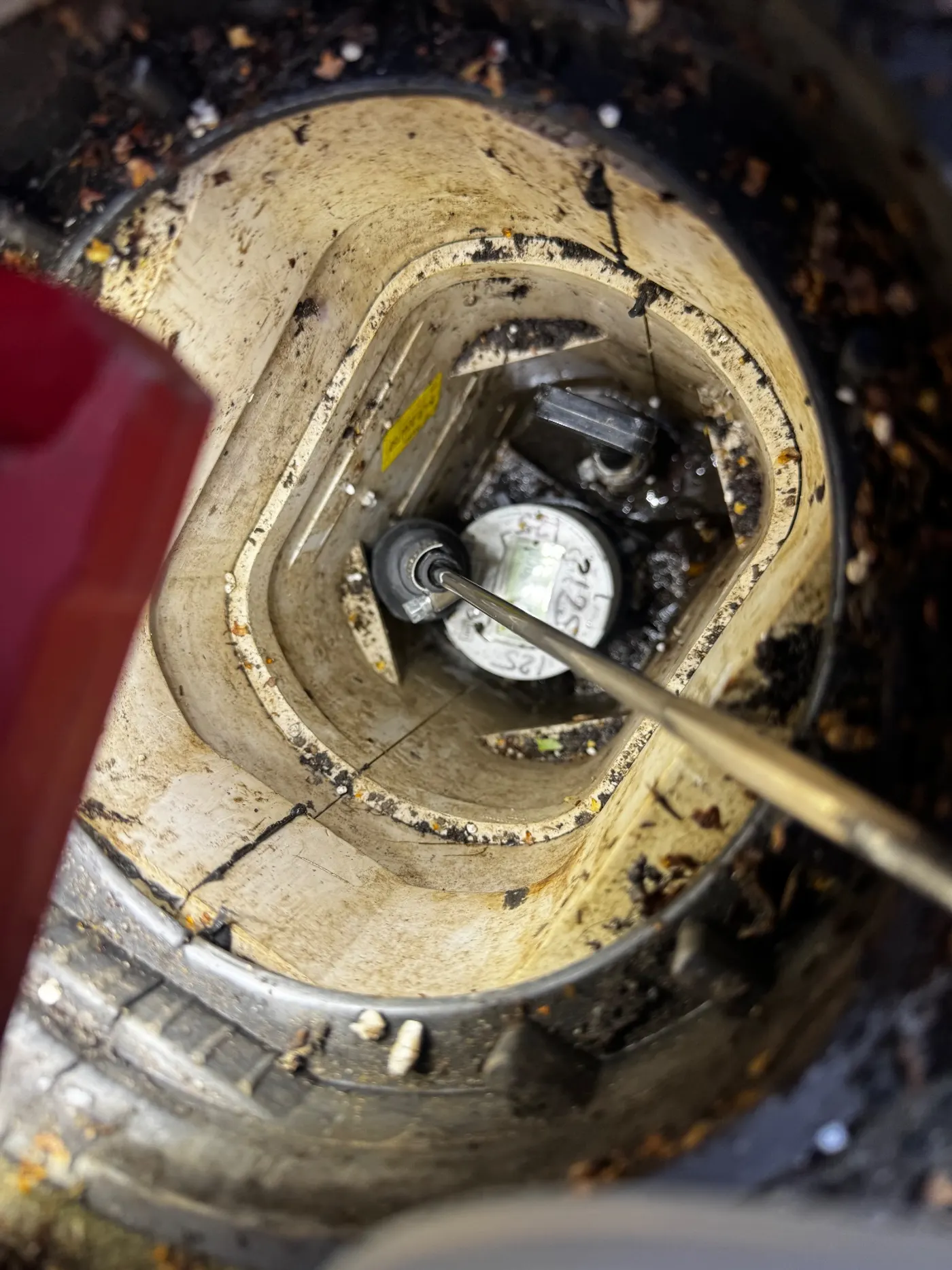
Clues on the surface help. A meter box or a stop valve cover at the edge of the garden or in the pavement may show where the pipe comes in at the other end. If you can place both ends, the pipe may follow a fairly direct line between them.
Pipes do not always run straight. They can bend around trees, extensions, patios or old outbuildings, and a route you assumed was direct is one reason people look for a leak in the wrong place. If you cannot establish where the pipe goes, say so when you call for help. Detection firms use radio transmission and detection equipment to map where underground pipes are buried, and a survey line can then be marked for further testing.
How to Locate an Underground Water Leak
With a likely route in mind, walk it and look for anything unusual. This is the stage where you can narrow the search without equipment. It is also the stage to stop before you cause damage.
Work along the line in dry weather if you can. Look for ground that is wetter than the soil around it, a sunken patch, or water seeping at a kerb or the base of a wall. Note where it looks worst, but remember that water does not always surface directly above the leak. It can follow a slope or the line of the pipe trench, so a wet patch tells you roughly where to look, not the exact spot.
Inside the house, listen near where the supply enters with every tap and appliance off. A running or hissing sound that you cannot account for is worth mentioning to whoever you call. It does not tell you where outside the leak is.
Stop once you have a rough area. Digging on a guess risks damaging the pipe further, hitting another buried service and leaving a hole that does not contain the leak. A narrowed area still saves a specialist time.
Narrowed It Down but Cannot Pinpoint It?
This is the point to stop DIY. We locate buried supply pipe leaks across all 32 London boroughs, 24/7. £60 call-out fee at any hour for ordinary emergency work, waived for landlords, property managers and scheduled work.
Call 0207 046 1363If you want to see what the process involves first, our Thames Water leak detection page explains how a survey works, and the leak detection cost guide sets out what drives the price.
How Professionals Detect Underground Water Leaks
Professionals rarely rely on one method. A typical sequence is to confirm the leak, map the pipe, listen for it, and use a second method if listening cannot settle it. The table summarises the techniques that leak detection firms describe for buried pipes. Which ones are used on a given job depends on the surveyor and the site, so ask what they plan to use and why.
| Method | How it works | Used for |
|---|---|---|
| Radio detection | Radio transmission and detection equipment maps where underground pipes are buried | Establishing the pipe route before testing, particularly where the route is unclear |
| Acoustic listening | Pressurised water escaping a pipe makes small vibrations, which sensitive ground-level equipment picks up and amplifies | Pinpointing a leak on a pressurised pipe |
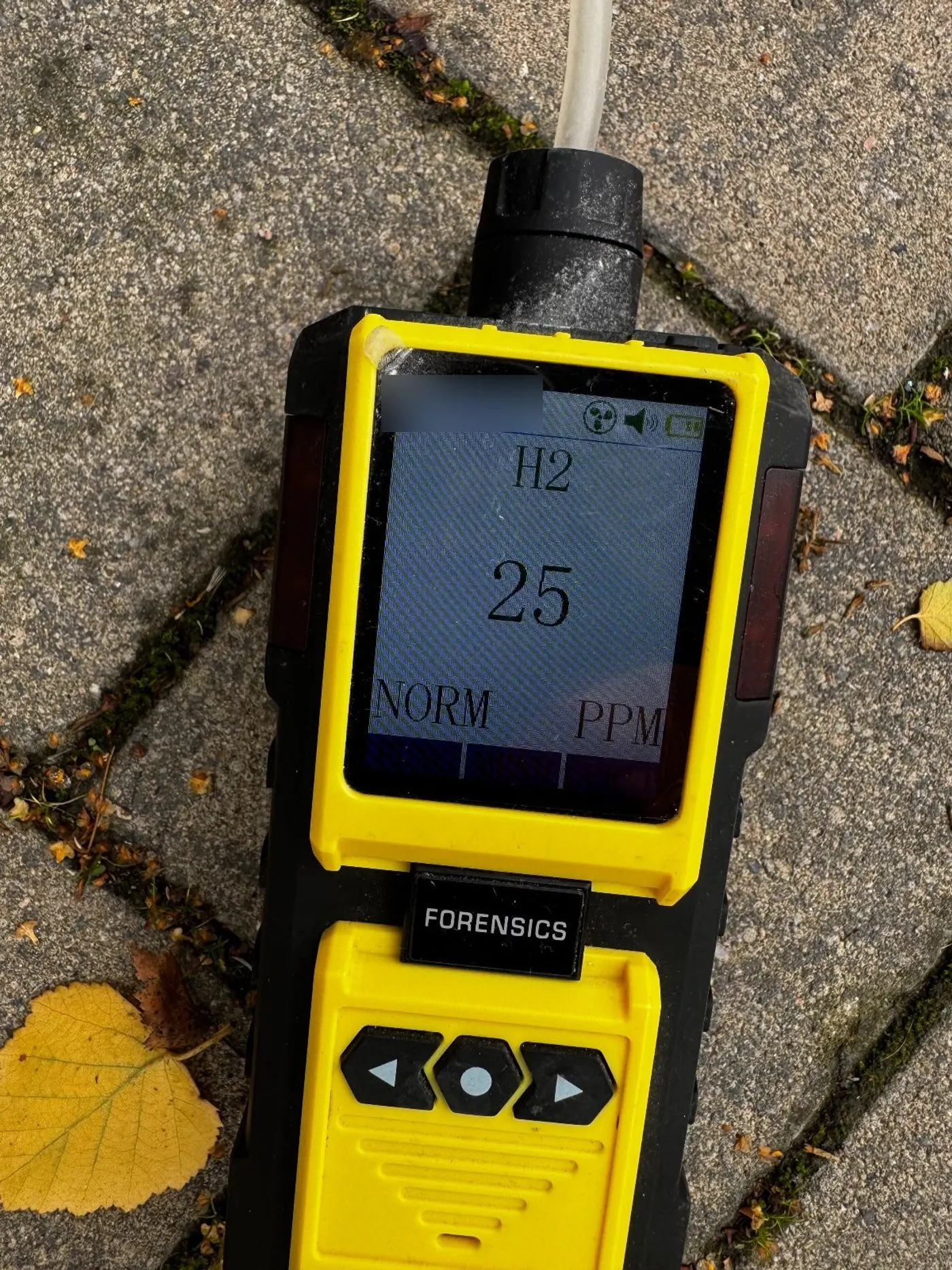
| Tracer gas | The pipe is drained and filled with a non-harmful, inert gas mix, and a probe sounds an alert where the gas escapes | Cases where acoustic equipment cannot be used, or where the location needs further confirmation |
Acoustic listening is usually the first step because it uses the sound the leak itself makes. Tracer gas is the follow-up when listening is not possible or not conclusive. Because the pipe is drained and filled with gas for that test, it needs setting up before the probe survey starts.
Once the leak is located, the ground or surface is opened at that point to reach the pipe. Some firms call this a trace and access approach, and insurers can ask for the leak to be exposed as part of a claim. Read our guide to trace and access cover before booking anything, because what your policy covers depends on its wording.
Leak Under a Driveway
A leak under a driveway is harder to spot because the surface hides most signs. Thames Water points out that the supply pipe usually runs under private land such as a garden or driveway, so a drive laid over an older supply pipe is common.
Detection methods such as acoustic listening and tracer gas are used from the surface, so the driveway generally does not need lifting to find the leak. The surface only needs opening once the spot is known. That is the case for locating the leak first. A leak pinned to a small area means a small repair opening instead of a trench across the whole drive. How practical that is depends on the surface and the surveyor's equipment.
Depth matters for another reason. The Water Supply (Water Fittings) Regulations 1999 require any water fitting laid below ground to have enough depth of cover to prevent the water in it freezing. Our garden and driveway leak page covers what a repair involves.
The surface type also affects who can help. Thames Water's customer repair offer excludes properties where the leak would mean digging into a resin driveway, and it excludes supply pipes over 30 metres. If your drive is resin, plan for a private repair and check your insurance first.
Who Is Responsible for an Underground Water Leak
Responsibility depends on where the leak is. Thames Water is responsible for the water mains and for the communication pipe, which links your supply pipe to the mains. You are responsible for the supply pipe that runs from the boundary of your property into your home, usually under the garden or driveway. Thames Water says this stays your responsibility even where the pipe crosses land belonging to someone else, such as a neighbour's property or the road. You are also responsible for the internal pipes, appliances and fittings.
If you see a leak in the road or pavement, report it to Thames Water. If the leak is on your side, you must arrange the repair. Neighbours who share a pipe have joint responsibility for maintaining the shared part and any associated costs, and Thames Water does not get involved in disputes between them. Our guide to shared supply pipe leaks covers that conversation.
If you rent, your landlord is responsible for fixing leaks. Thames Water advises telling the landlord or agent in writing and keeping a copy, which gives you a dated record if the problem continues.
What to Do Once You Find the Leak
Arrange the repair within four weeks. Once a leak on your property is confirmed, Thames Water says it is your legal responsibility to arrange the repair within that time, counted from when you find the leak or when Thames Water reports it to you. If you miss it, Thames Water may serve legal notice under Section 75 of the Water Industry Act 1991. If you are on a meter and that route is used, Thames Water says it will no longer be able to cover all the costs of the leak on your bill.
For hidden leaks or leaks outside the home, Thames Water says you need a leak detection specialist and recommends choosing an approved WaterSafe contractor. Check your home insurance before you book. If it covers emergency plumbing or leaks, your insurer may help arrange the repair and cover the cost. Our guide to underground pipes and home insurance covers what to look for in the wording.
If a repair is not covered by your insurance and you cannot pay a professional privately, Thames Water has a customer repair offer that may be available. It applies to the supply pipe between the outside stop valve and the point of entry to the building, and each case is reviewed individually. Its terms exclude properties with supply pipes over 30 metres or over 50mm in outside diameter, properties where the leak would mean digging into a resin driveway, and properties with internal plumbing systems, standpipes, irrigation systems or other external supplies. Thames Water also says it will not fix pipework underneath a building, and it needs the homeowner's permission, or permission from everyone on a shared supply, before starting work. Read the full customer leakage conditions before relying on it.
While you wait for the repair, keep the inside stop tap shut if the leak is serious and you can manage without running water. Note the meter reading so you can show the loss.
Frequently Asked Questions
How do I tell if I have a water leak underground?
Can I find an underground water leak myself?
How do professionals locate a buried water leak?
Who pays to fix a leak on the underground supply pipe?
How long do I have to repair a leaking supply pipe?
Can a leak under a driveway be found without digging it up?
James Harrington, Emergency Plumbing & Heating Engineer, Emergency Repairs London
Key Takeaways
- Repeating the meter test with the inside stop tap closed helps show whether the loss is on the pipework beyond it, which can include the buried supply pipe
- You are responsible for the supply pipe from the property boundary into your home, even where it crosses a neighbour's land or the road
- Once you know about the leak, or Thames Water reports it to you, you have four weeks to arrange the repair
- Acoustic listening picks up the vibration of pressurised water escaping, and tracer gas is used where listening cannot be used or the spot needs confirming
- Thames Water's customer repair offer excludes supply pipes over 30m and leaks that need digging into a resin driveway
- Leaks in the road or pavement are Thames Water's to fix, so report those to them rather than arranging your own repair
