
Water Damage Restoration London — Drying, Dehumidify, Insurance Work
Immediate response to flood damage, burst pipes, ceiling leaks and water ingress across London. Fix the source, extract the water, dry the property under IICRC S500, restore the damage — one contractor, one claim file.
Fixed quote given on arrival, priced to the scope of your incident — no dehumidifier hire, no rate card. Insurance loss-adjuster liaison included. Target 60-minute response zones 1-3.
Landline 0207 046 1363 · WhatsApp 07456 975436 · Co. No. 17120057
Water damage restoration in London covers the full recovery from a flood, burst pipe or ceiling leak: emergency stop & extraction, IICRC S500 structural drying with industrial LGR dehumidifiers, IICRC S520 mould remediation, and full rebuild — all under one contract, priced per project rather than a fixed rate card. Insurance loss-adjuster liaison included as standard. Call 0207 046 1363 for 60-minute attendance in zones 1-3.
The first 4 hours — what matters most
The first four hours of a water damage incident define how expensive and how long the recovery will be. Standing water penetrates plaster and screed at roughly one inch per hour. Laminate flooring delaminates within 48 hours. Mould begins active growth inside 24 to 48 hours on damp plasterboard, timber and carpet underlay. Electrical fittings submerged in water become a safety hazard immediately and a fire risk once partially dried. Acting decisively in the first four hours typically reduces total claim value by 40 to 60 per cent compared with waiting a day or two to call.
The actions that matter most in those four hours are, in order: stop the source, isolate the electrics, extract the standing water, document everything, and contact the freeholder and buildings insurer. Stopping the source means turning off the internal stopcock (usually under the kitchen sink or by the front door in a flat) for a plumbing leak, isolating the appliance valve for a washing machine or dishwasher failure, or placing a bucket and towel response for a roof leak while we arrange a tarpaulin. Isolating the electrics means flipping the main switch at the consumer unit where water is near sockets, light fittings or the consumer unit itself — do not walk through standing water to reach the consumer unit if it is in a flooded area.
Extraction starts as soon as we arrive and takes priority over the source repair for the first hour unless the source is actively pouring water. Every hour of standing water is a further hour of plaster absorption, subfloor saturation and furniture ruin. Documenting the scene means timestamped photos of the visible damage, the stopcock position, any isolation taken, and the source if it is visible. Photos taken in the first hour strengthen any insurance claim significantly — adjusters look for evidence of the incident rather than reconstruction after the fact.
Call 0207 046 1363 the moment water is visible. Dispatcher confirms an arrival window before the call ends. 24/7, 365 days a year including bank holidays.
Our full water damage service

Eight service lines cover the full recovery from attendance to handover. The value of a single contractor handling all eight is that the schedule runs as one project rather than a chain of sub-contractors blaming each other for delays. See also our related burst pipe repair and leak detection services, which are the most common sources of the water damage claims we attend.
Emergency water extraction & make-safe
Truck-mounted vacuum extraction for severe flooding and portable wet-vacs for upper-floor work. Standing water is lifted within the first hour because every further hour standing on plaster, laminate or carpet extends the drying timeline and raises the claim value. Extracted water is removed under a waste transfer note to a licensed disposal site. Fixed quote for the make-safe attendance given on arrival, before any work starts.
Source identification and plumbing repair
Locate and repair the source of the water ingress: burst pipe, overflow, failed washing machine or dishwasher, roof leak, fractured cold main, storage cistern overflow, shower tray waste failure. Acoustic correlation and thermal imaging used for concealed leaks. A same-visit repair is standard for accessible pipework; concealed under-floor or in-ceiling repairs typically need a second visit for reinstatement.
Industrial-grade structural drying (IICRC S500)
Low Grain Refrigerant (LGR) dehumidifiers and air movers deployed on day one to start the drying process immediately under the IICRC S500 water damage standard. Protimeter moisture meter readings logged daily against baseline so progress is documented for the insurance adjuster. Typical drying time is 3 to 5 days for minor domestic incidents and 7 to 14 days for whole-floor flooding or saturated masonry.
Mould remediation (IICRC S520)
Where mould has established (typically 48+ hours after exposure) we work to the IICRC S520 mould remediation standard. Containment with negative-pressure HEPA extraction, removal of porous materials beyond saving, HEPA-vacuum and damp-wipe of remaining surfaces, antimicrobial application and post-remediation verification. Priced as part of the overall project quote once the extent of affected material is scoped.
Hidden moisture detection
Thermal imaging cameras, pin and pinless moisture meters, and borescope inspection identify saturation in wall cavities, subfloors and ceiling voids that visual inspection misses. Hidden moisture is the single biggest cause of failed drying — pockets of trapped water re-emerge weeks later as staining, swelling or mould. We map the full extent on day one and verify dryness before signing off.
Carpet lift and floor restoration
Carpets are lifted, underlay (almost always non-recoverable) is removed, and the subfloor is dried separately. Where carpet is salvageable it is re-laid after the subfloor dries; where not, replacement is quoted as part of the claim. Laminate flooring is replaced (boards delaminate within 48 hours of standing water). Hardwood can often be saved if extraction happens within 6 to 12 hours.
Ceiling, plaster and redecoration
Where water has come through a ceiling, we remove failed plaster, rebuild with moisture-resistant board, re-skim, and paint to match. For listed and heritage interiors we work with a lime-plaster specialist to match original finishes. Redecoration typically follows the drying phase by 1 to 2 weeks to ensure the wall or ceiling is below 16 per cent moisture content before paint goes on.
Insurance loss-adjuster liaison
Included on every job — we deal directly with Sedgwick, Crawford, McLarens, Cunningham Lindsey and in-house adjusting teams. Date-stamped photographs, moisture-reading logs, itemised damage schedule and final sign-off report are produced as standard so the adjuster has everything required for claim approval. Cuts the typical claim-approval cycle from 6-10 weeks to 2-4.
How pricing works — water damage restoration London
Every water damage incident is different in scope — the extent of extraction, how many days of structural drying are needed, how many rooms are affected, whether mould remediation applies — so we quote per project rather than from a fixed rate card. We do not hire out dehumidifiers as a standalone service: the LGR dehumidifiers and air movers we deploy are part of the drying programme itself, included in the project quote, not a separate rental line.
We assess the incident on arrival and give a fixed quote for the scope of work before anything beyond the initial make-safe begins, so there are no surprises once the claim is submitted. Insurance loss-adjuster liaison is included on every job, never billed separately. Call 0207 046 1363 for an assessment and a quote based on your incident.
Our process — step by step
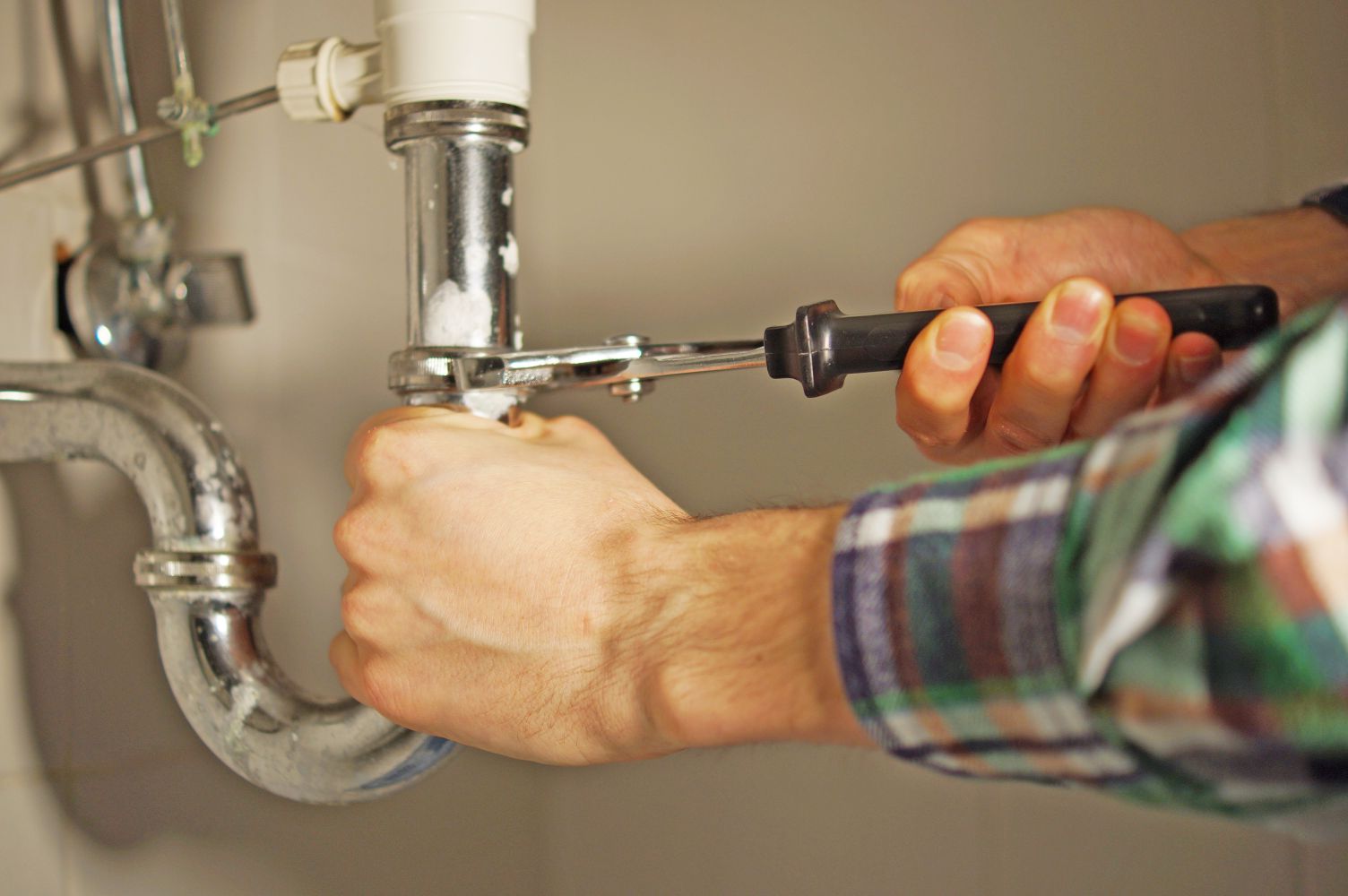
Eight steps from emergency phone call to final sign-off, all documented to IICRC S500 standard for the insurance claim. The client receives a written update at the end of each phase so there are no surprises between attendance and handover.
Emergency attendance (60-90 min)
Dispatcher takes the call and sends the nearest engineer. Target 60 minutes zones 1-3, 90 minutes outer London. Engineer carries van-load of extraction and isolation gear to make the property safe on arrival. Call 0207 046 1363.
Isolate, extract & make-safe
Water supply isolated at the stopcock or closest gate valve. Electrics isolated at the consumer unit where water is near sockets or live fittings. Standing water extracted from floors, ceiling voids and cavities using truck-mounted or portable vacuum.
Moisture mapping & damage scope
Protimeter readings taken across affected rooms and adjacent areas to map full extent of water penetration. Thermal imaging identifies hidden saturation in walls, subfloors and ceiling voids. Photographic report and damage schedule generated for the insurance file.
Source repair
Burst pipe, failed hose, roof leak or overflow traced to source and repaired. For concealed pipework this may require ceiling or wall access; for roof leaks we coordinate with a roofing contractor under the same programme.
Structural drying (IICRC S500)
LGR dehumidifiers and air movers installed on day one and run continuously. Moisture meter readings logged daily and shared with the insurance adjuster. Drying continues until moisture content is below 16 per cent for plaster and 18 per cent for timber.
Mould remediation (if required)
Where mould has established, we work to IICRC S520 — containment, removal of porous materials, HEPA vacuum, antimicrobial application and post-remediation verification before drying completes.
Restoration & redecoration
Failed plaster removed and rebuilt, ceilings re-boarded, flooring replaced, cabinetry rebuilt, redecoration to match. Scope matches the quote issued before work started, with any variation approved in writing before proceeding.
Final sign-off & insurance pack
Final Protimeter readings confirm property is dry, antimicrobial applied a second time, final photographic report issued alongside invoice. Insurance claim pack closed and submitted to the adjuster.
Mould risk and IICRC S520 remediation
Mould is the single biggest reason a water damage claim escalates from a straightforward fix to a significant remediation project. Spores are present in every indoor environment and begin active growth on damp organic material within 24 to 48 hours at normal room temperature. Plasterboard, timber, carpet underlay, cardboard-backed insulation and MDF cabinetry all support rapid colonisation.
Where mould has established we work to the IICRC S520 mould remediation standard alongside BS EN 16636 service-provision requirements: a containment envelope built around the affected area with negative-pressure HEPA extraction to prevent spore migration, removal and disposal of porous materials beyond saving (plasterboard, insulation, underlay, carpet, MDF), HEPA vacuum and damp-wipe of remaining hard surfaces, antimicrobial application using HSE-approved biocides safe for occupied spaces, and post-remediation verification (PRV) by inspection and where required by air sampling to confirm spore counts have returned to background.
Priced per project once the extent of porous material removal and the complexity of containment are scoped — no fixed per-room rate, every affected room is assessed on arrival. For occupied properties we schedule remediation to minimise disruption, with containment kept up overnight. Health implications of mould exposure — particularly for children, elderly residents and anyone with asthma or immune system conditions — make rapid remediation the right call even where there is some negotiation with the insurer about scope.
Common water damage scenarios — six worked cases
Six scenarios account for the majority of London water damage claims we attend. The narrative below covers the typical sequence, the cost band and the timing you can expect from first attendance to final handover. Every real incident varies on the specifics, but the shape of the project follows one of these six patterns more often than not.
Burst pipe in the loft — ceiling collapse in the bedroom below
A 15mm copper pipe in an uninsulated loft space freezes during a cold snap, splits, and thaws into a several-hundred-litre release into the ceiling of the bedroom below. The plasterboard ceiling holds for a few hours then collapses under the weight of water. Sequence: 60-min attendance, isolate cold mains at the stopcock, extract standing water from the bedroom carpet and the kitchen below where water has tracked through the joists, remove the failed ceiling, repair the split pipe, lag replacement pipework, install LGR dehumidifiers for 5 to 7 days, re-board and re-skim the ceiling, redecorate. Typical of a moderate-damage insured claim. Timing: 2 to 3 weeks from attendance to final handover. See our frozen pipes in London guide for prevention advice.
Failed washing machine hose — kitchen and hallway flood
A rubber fill hose perishes and splits at the appliance connection, releasing mains-pressure water at 15 to 20 litres per minute. If the machine was left running overnight, water spreads across the kitchen floor, under cabinets, through the hallway and often into the living room. Laminate and wood floors are normally lost. Sequence: isolate at the appliance valve, extract, lift damaged flooring, remove saturated kickboards and lower sections of cabinet carcasses, dry the subfloor for 5 to 10 days, rebuild affected cabinets, relay flooring. Ranges from a minor single-room fix to a moderate kitchen-plus-hallway claim. Timing: 2 to 3 weeks.
Roof leak during storm — loft and ceiling damage
Wind-driven rain lifts a ridge tile or compromises a dormer flashing, and a storm rainfall event puts tens of litres through the roof in an hour. Water tracks across the loft floor, collects on the ceiling of the bedroom below, and saturates insulation. Distinction from a burst pipe is dirty-water staining and intermittent nature — the leak re-appears every time it rains. Sequence: temporary tarpaulin to the roof, extract standing water from the loft, lift and dispose of saturated insulation, dry the loft and ceiling for 7 to 14 days, remove and replace affected ceiling board, redecorate. Ranges from a minor single-room fix to a moderate multi-room claim depending on saturation extent. Timing: 3 to 4 weeks including roofing coordination.
Upstairs neighbour's bath overflow — flat below affected
A bathtub tap left running with the overflow blocked releases several hundred litres into the floor of the upstairs flat over 20 to 40 minutes. Water tracks through the joists and pours through the light fitting or ceiling rose of the flat below. Insurance is almost always a freeholder buildings policy claim because the damage crosses the demise between leaseholders. Sequence: isolate water to both flats, extract, dry, replace the ceiling in the downstairs flat, redecorate, repair electrical fittings, liaise with the freeholder's buildings insurer. Scope typically ranges from a moderate single-room claim to a severe multi-room one depending on how far water has tracked. Timing: 3 to 4 weeks. See our landlord guide to burst pipes.
Dishwasher leak under kitchen unit — slow saturation
A failed dishwasher waste connection drips into the cabinet carcass and under the kitchen floor over a period of weeks. Discovery is usually when laminate boards lift, MDF kickboards swell, or a musty smell becomes obvious. Mould is invariably present by discovery — typically Stachybotrys (black mould) on the back of plinths and under the dishwasher. Sequence: isolate, lift the dishwasher, strip damaged cabinet sections, IICRC S520 mould remediation in containment, dry the subfloor for 7 to 10 days, rebuild cabinetry, replace flooring. Insurer position: depends on policy wording — 'gradually occurring' exclusion can apply.
Commercial basement flood — restaurant or retail
A failed external drain or storm-water surge backs up into a commercial basement holding stock, refrigeration plant and electrics. Trading is interrupted. Sequence: truck-mounted extraction (often 2,000-5,000 litres), isolate electrics, remove damaged stock under insurance schedule, deploy multiple LGR dehumidifiers, structural drying 10-21 days depending on masonry saturation, sanitise, rebuild and refit. Insurance handled on commercial buildings/business interruption policy. Priced per project once the affected area and stock loss are scoped. Timing: 3-8 weeks.
Standards we work to
Water damage restoration is governed by published international and British standards. Working to those standards — not just claiming to — is the difference between documented, defensible work the insurer accepts on first review and a claim that drags on with adjuster queries for months.
IICRC S500 — Water Damage Restoration
The Institute of Inspection, Cleaning and Restoration Certification S500 standard sets out the methodology for professional water damage restoration: categorisation of water (Cat 1 clean, Cat 2 grey, Cat 3 black), classification of damage (Class 1-4), drying targets, equipment selection and monitoring protocols. Every drying job is documented against S500 to satisfy the insurer.
IICRC S520 — Mould Remediation
Where mould growth has established, the S520 standard governs containment, removal of porous materials, HEPA filtration, antimicrobial use and post-remediation verification. Required reading for any London property where water has been standing more than 48 hours or where hidden saturation has gone undetected for weeks.
BS EN 16636 — Pest & Mould Service Provision
European standard covering competence requirements for service providers dealing with microbial contamination. Underpins our mould remediation procedures alongside IICRC S520, particularly relevant for occupied dwellings and food-handling commercial premises.
BS 5454 / BS 8104 — Building Moisture
British Standards covering the assessment and management of moisture in buildings. We follow BS 8104 moisture-mapping methodology when scoping water damage in historic and heritage properties where standard intervention could damage protected fabric.
Control of Substances Hazardous to Health (COSHH) 2002
All antimicrobial products used in our drying and remediation programmes are HSE-approved for occupied residential and commercial spaces. COSHH risk assessments are documented for every job involving mould remediation, sewage contamination or hazardous water categories.
Insurance claims — how we work with your insurer

Most water damage restoration in London is paid for by buildings insurance rather than out of the client's pocket. We regularly work with the major UK buildings insurers — Aviva, Direct Line, Zurich, AXA, RSA, LV, Hiscox, Churchill, Admiral and NFU Mutual — along with most of the specialist Lloyd's syndicates that underwrite London residential and commercial property. Several of these carriers list us on their approved contractor panels; for others we operate as the client's chosen contractor, which is a right preserved under most policy wordings.
The documentation an adjuster needs to approve the claim is consistent across insurers: date-stamped photographs of the source and damage before works started, a written description of the incident and its likely cause, moisture readings taken at baseline and through the drying phase, a damage schedule itemised by room, itemised invoices for extraction, drying and restoration works, and a final sign-off report confirming the property is dry and restored. We produce this pack as standard on every water damage job. It saves the client hours of chasing the adjuster for missing evidence and typically cuts the claim-approval cycle from 6 to 10 weeks down to 2 to 4.
For larger claims we liaise directly with the appointed loss adjuster — usually Sedgwick, Crawford, McLarens or Cunningham Lindsey — from the first attendance onwards. This means the adjuster sees the incident while it is still active, signs off the scope on day one rather than arguing about it at the end, and has a single contact for technical questions through the drying phase. On emergency attendances where the client has not yet spoken to their insurer, we advise on the policy wording to check (escape of water, trace and access, alternative accommodation if habitability is affected) and provide a holding quote for the insurer to acknowledge while the formal claim is logged.
Policy excess is the client's responsibility to pay on completion of works — typically £100 to £500 on a domestic buildings policy. For clients in genuine financial hardship, most buildings insurers operate an emergency hardship fund for make-safe attendance; we can supply the evidence required to access this. For guidance on policy wording see our blog post on whether home insurance covers plumbing damage.
Why ERL for water damage restoration
Six things that separate ERL from a generic restoration contractor or a plumber with a wet-vac.
One contractor — extraction to rebuild
Most specialists handle only extraction and drying, leaving you to find a plumber for the source and a builder for the rebuild. We do all three under one project number.
Insurance-standard documentation
Date-stamped photos, daily Protimeter logs, itemised damage schedules and sign-off reports as standard — what the loss adjuster needs, before they ask.
Direct loss-adjuster liaison
We deal directly with Sedgwick, Crawford, McLarens, Cunningham Lindsey and the major in-house adjusting teams. Included on every job.
IICRC-aligned methodology
S500 for drying, S520 for mould remediation. Industry standards, documented and verifiable, rather than 'we'll get it dry'.
60-minute target response
Zones 1-3 measured average 58 minutes over the last 12 months. 90 minutes outer London. Same target nights, weekends and bank holidays.
£5M public liability + £10M employers' liability
Fully insured to a level acceptable to commercial freeholders and managing agents. Certificates supplied on request.
Drying equipment we use
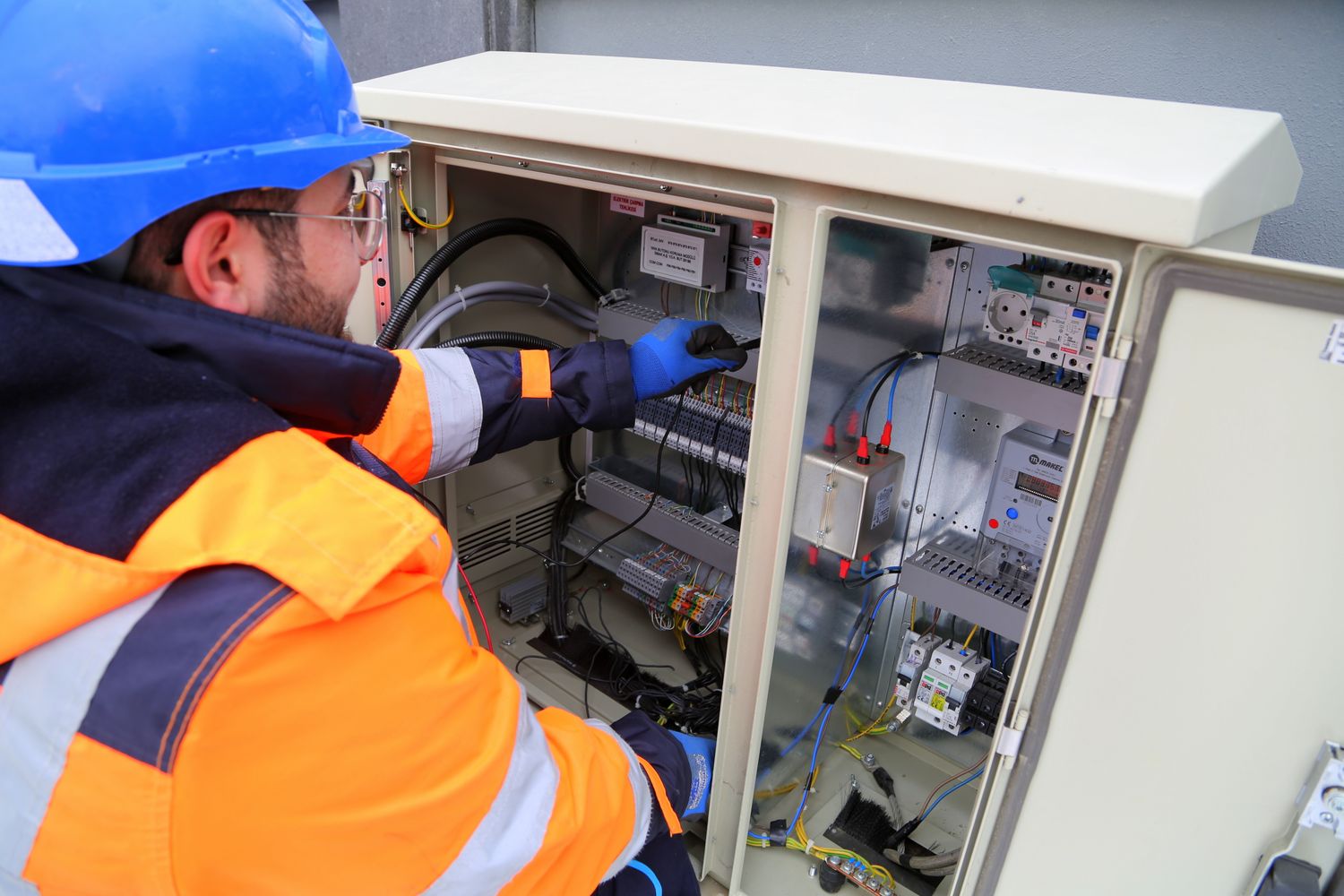
The kit on a water damage job is what separates a restoration contractor from a general plumber with a wet-vac. Truck-mounted vacuum extraction lifts 2,000-10,000 litres per hour for severe flooding. Low Grain Refrigerant (LGR) dehumidifiers continue drying at lower ambient humidity (below 50% RH) than domestic dehumidifiers, removing 60-80 litres of water per day per unit. Centrifugal air movers accelerate evaporation at one unit per 12m² of saturated floor. Protimeter pin and pinless meters log daily readings. Thermal imaging maps hidden saturation in cavities, subfloors and ceiling voids. Every measurement is documented for the insurance file.
Areas covered — water damage restoration across London
24/7 dispatch across all 32 London boroughs and the City of London. Target 60 minutes to zones 1-3, 90 minutes to outer London. Heaviest booking volumes from converted Victorian flats and purpose-built blocks where flat-above leaks are the most common claim source:
Beyond the above we also cover Barking and Dagenham, Barnet, Bexley, Brent, Bromley, Enfield, Harrow, Havering, Hillingdon, Hounslow, Kingston upon Thames, Merton, Redbridge, Richmond upon Thames, Sutton and Waltham Forest. Same 24/7 response, same insurance-standard documentation, same one-contractor-for-the-whole-project approach. Call 0207 046 1363.
Frequently asked questions
Fifteen detailed answers to the questions we hear most often when clients call after a flood or burst pipe. Anything not covered here, call 0207 046 1363. For landlord-specific guidance see our landlord page.
Does my insurance pay for water damage restoration?
How long does drying take after water damage?
What is the mould risk after a leak or flood?
Do you lift carpets, and is the underlay always replaced?
How do you detect hidden moisture in walls, ceilings and floors?
How quickly can you attend a water emergency in London?
Can you fix the leak AND do the restoration under one contract?
How is water damage restoration priced in London?
Will hardwood flooring survive water damage?
Do you handle ceiling collapse after water damage?
What happens with flat-above leaks affecting the flat below?
Can you handle commercial water damage — offices, restaurants, retail?
What is the difference between Category 1, 2 and 3 water under IICRC S500?
Will my insurance excess change after a water damage claim?
Do you provide a guarantee on water damage restoration work?
Related services
Plumbing & emergency services that link to water damage
Water damage rarely arrives alone. These are the related ERL services most often combined on the same project — single contractor, single invoice, single warranty.
Burst Pipe Repair London
24/7 emergency burst pipe repair — most common source of water damage claims.
Leak Detection London
Acoustic, thermal and tracer-gas leak detection for concealed water damage.
Emergency Plumber London
24/7 emergency plumbing — same engineer can stabilise and start restoration.
Blocked Drains London
Drain unblocking — backed-up drains are a frequent cause of Cat 2/3 flooding.
Boiler Repair London
Boiler and heating leaks — diagnose, repair, dry and restore in one programme.
For Landlords
Landlord-specific water damage workflow — tenant comms, insurer liaison.
Service Area — All London Boroughs
ERL operates 24/7 across all 32 London boroughs and the City of London, with engineers based around north, south and east London. Target attendance 60 minutes zones 1-3, 90 minutes outer London. Call 0207 046 1363.
Water damage emergency? Call now.
24/7 dispatch every day of the year. 60-minute target response zones 1-3. IICRC S500 drying, IICRC S520 mould remediation, insurance loss-adjuster liaison — one contractor for extraction, drying and rebuild.
Most claims paid in full by buildings insurance subject to the policy excess. We bill the insurer directly on accepted claims.
Landline: 0207 046 1363 · WhatsApp: 07456 975436 · 71-75 Shelton Street, London WC2H 9JQ · Co. No. 17120057